 Analysis by Gamescozy
Brain Test: Tricky Puzzles takes a familiar idea—answering brain teasers—and gives it a playful twist: the obvious solution is often the wrong one. That simple premise is the game’s biggest strength. It encourages me to question what I see, try an unexpected interpretation, and enjoy being caught off guard when a puzzle turns out to be sneakier than it first appeared. If you’re looking for a casual trivia game that values lateral thinking over memorizing facts, this one has an appealing hook.
A puzzle game built around surprise
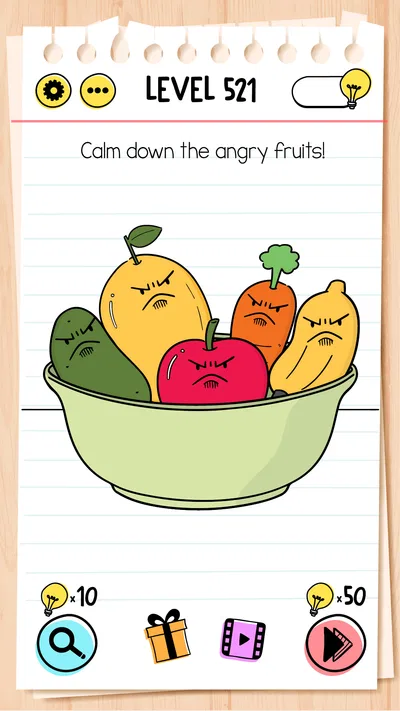
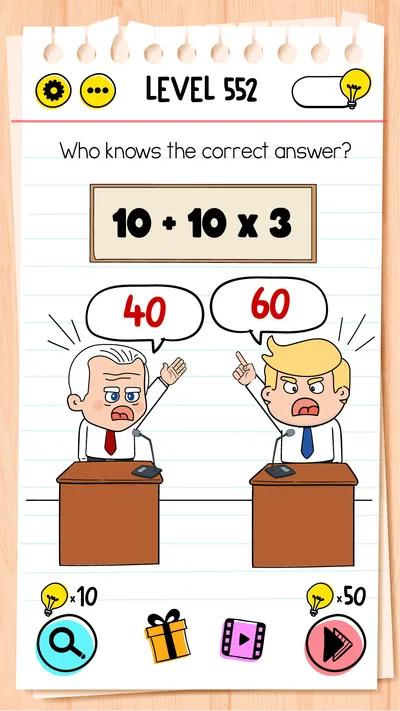
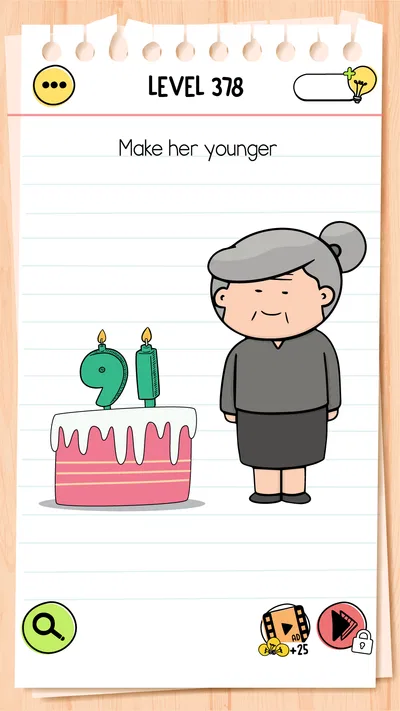
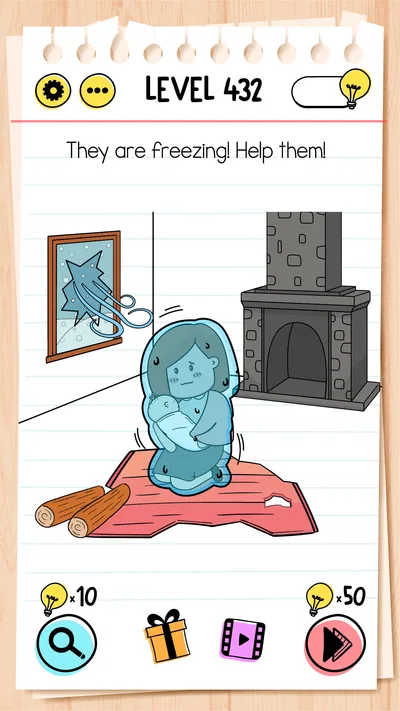
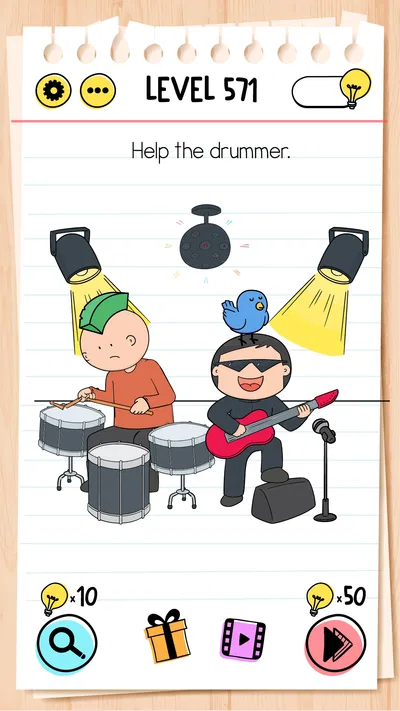
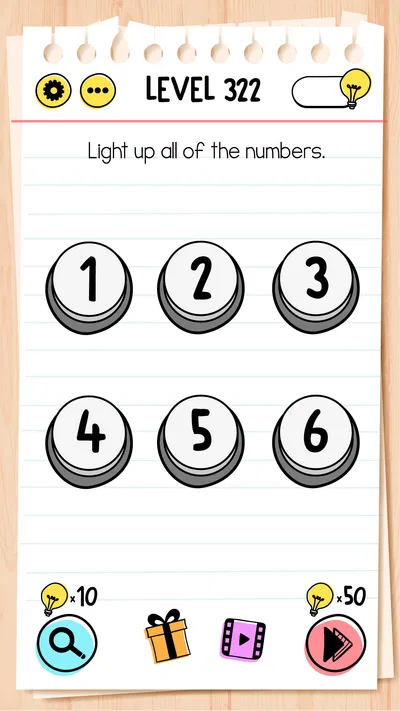
At its heart, Brain Test: Tricky Puzzles is about testing how flexibly you think. The store summary puts the focus on testing your IQ with funny, tricky brain puzzles, and that captures the general appeal: these challenges are meant to make you pause, inspect the situation, and consider whether the question is hiding a playful catch. It feels less like a formal exam and more like a collection of moments designed to make you say, “Oh, I should have seen that.”
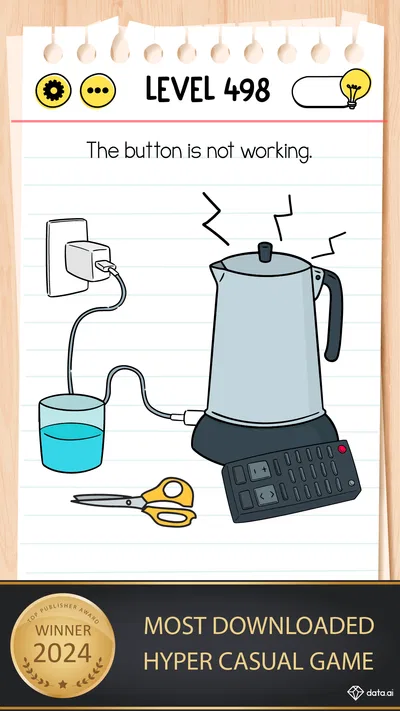
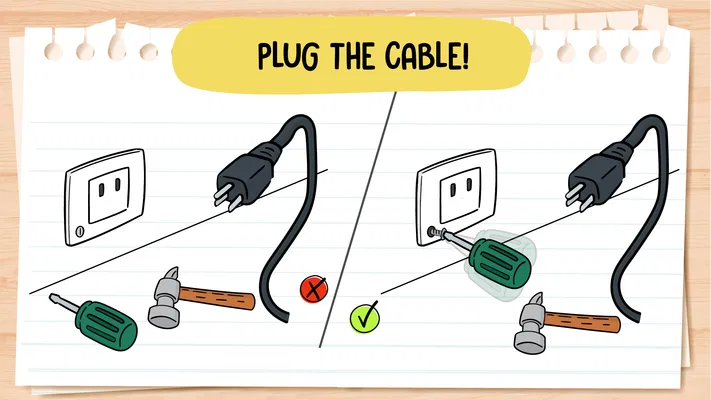
That distinction matters. Plenty of puzzle games rely on familiar patterns that become easy to recognize after a while. Here, the appeal is in resisting the urge to rush toward the first sensible answer. A prompt may invite you to take its wording literally, look beyond the most obvious object, or rethink what the puzzle is actually asking. The satisfaction comes from changing your approach, not simply recalling a fact.
I also like that the tone is light. The game’s identity is built around funny, tricky challenges, so the experience is suited to players who want a little mental stimulation without the atmosphere of a serious test. Getting a puzzle wrong can be part of the joke: the game plays with expectations, and the reveal can be more entertaining than the challenge itself. That makes it easy to approach with curiosity rather than treating every answer as a measure of intelligence.
Why the trick-question format works
The strongest evidence for the game’s appeal is its clear, repeatable idea. Each puzzle asks you to think, but it also nudges you to question the question. That gives the experience a distinct flavor compared with trivia built around general knowledge. You don’t need to arrive with a store of facts; instead, you need patience, observation, and a willingness to try an unconventional interpretation.
When this format clicks, it creates a satisfying rhythm: read the prompt, make an assumption, realize the assumption may be misleading, and search for another angle. Even a small surprise can feel rewarding because it changes how you view the puzzle. The game’s humor helps keep that process welcoming, especially for people who might otherwise find brain teasers frustrating.
It is also a useful kind of casual challenge to share. A tricky question can prompt a quick conversation about what the wording means or which detail someone missed. I can see the appeal for a short break, a bit of friendly competition, or a moment when you want something more engaging than passive scrolling. The basic concept is easy to explain, which makes it approachable even for someone who does not usually seek out puzzle games.
What the popularity suggests
The game has a 4.7 average from around 10 million ratings, alongside roughly 120,000 written reviews. It has also passed 100 million installs, a level of reach that suggests the simple brain-teaser premise has found a broad audience. Those figures do not guarantee that every puzzle will suit every player, but they do underline how widely the game has resonated.
Unico Studio released the game on November 21, 2019. It is free to download, rated for Everyone, and supports Android 7.0 and later. Optional in-app purchases range from $0.99 to $7.99 per item. That combination makes it easy to try while still worth approaching with an eye on any purchase choices, particularly if you prefer to keep mobile games entirely free.
Where the experience can lose its spark
The same trick-question approach that makes the game memorable can also be its main limitation. A puzzle may feel clever when the twist is surprising, but less satisfying if the solution seems to depend on guessing the creator’s intended interpretation rather than reasoning from what is shown. If I have considered the wording carefully and still feel that the answer is arbitrary, the reveal can land as a gotcha instead of a genuine “aha” moment.
That is an inherent risk in puzzles built on misdirection. Players differ in how they interpret a prompt, and the game’s sense of humor will not work for everyone. Some people enjoy being fooled and then seeing the trick; others want each challenge to follow a more transparent logic. If you strongly prefer puzzles with one clearly signposted path, this style may occasionally test your patience.
There is another trade-off in the format: once you understand that the obvious answer may be misleading, you can start second-guessing everything. That habit is useful for solving the puzzles, but it may also reduce the surprise. The game’s central trick is easy to describe, so players who quickly recognize its patterns may find that the novelty varies from challenge to challenge. This is not a reason to dismiss it, but it does mean the enjoyment depends on how much you like playful misdirection.
The game is best approached as light entertainment rather than a rigorous measure of intelligence. Its store summary invites players to test their IQ, but success in a trick puzzle is not the same thing as a formal assessment. A clever answer can show flexible thinking in the moment; it should not be treated as a definitive statement about anyone’s abilities. Keeping that distinction in mind makes the experience more fun and takes unnecessary pressure out of getting stuck.
Who should give it a try?
I’d recommend Brain Test: Tricky Puzzles to players who enjoy wordplay, visual clues, and questions that reward a second look. It is a particularly good fit if you like the feeling of spotting a hidden assumption or finding an answer that is simpler—and stranger—than expected. The Everyone age rating also positions it as a broadly accessible choice for casual play across different ages.
It may also suit people looking for a game they can dip into when they have a little time to spare. The central idea is straightforward, so there is no need to learn a complicated premise before engaging with a puzzle. If you enjoy swapping riddles with friends or seeing how different people interpret the same prompt, the game’s deliberately tricky style can provide a natural conversation starter.
On the other hand, I would steer players who dislike ambiguity toward a more conventional trivia or logic game. If you want questions with strictly factual answers, or puzzles where every clue points cleanly toward one solution, the playful twists here may feel more irritating than entertaining. The best audience is not simply “anyone who likes puzzles”; it is people who are happy to be misdirected and can laugh when their first instinct turns out to be wrong.
A playful pick, with the right expectations
As a free trivia game, Brain Test: Tricky Puzzles has a strong, easy-to-understand identity. Its humor and emphasis on lateral thinking help it stand apart from straight knowledge quizzes, while its accessible premise makes it simple to recommend to curious casual players. The game’s best moments come when a surprising answer feels fair in hindsight, transforming a moment of confusion into a satisfying little win.
Its weakness is closely tied to that strength: misdirection can sometimes feel arbitrary, and the trick-question formula may not appeal to everyone. I wouldn’t choose it for a serious IQ assessment or for a dependable sequence of formal logic problems. I would choose it when I want a light mental challenge, enjoy questioning my assumptions, and don’t mind being fooled along the way.
My verdict is positive, with one clear caveat: enjoy it for its playful surprises rather than expecting every puzzle to be perfectly logical. If that sounds like your kind of fun, the game is an inviting way to exercise flexible thinking and share a few laughs. If you prefer clues that are direct and answers that never depend on a twist, another style of puzzle will probably suit you better.